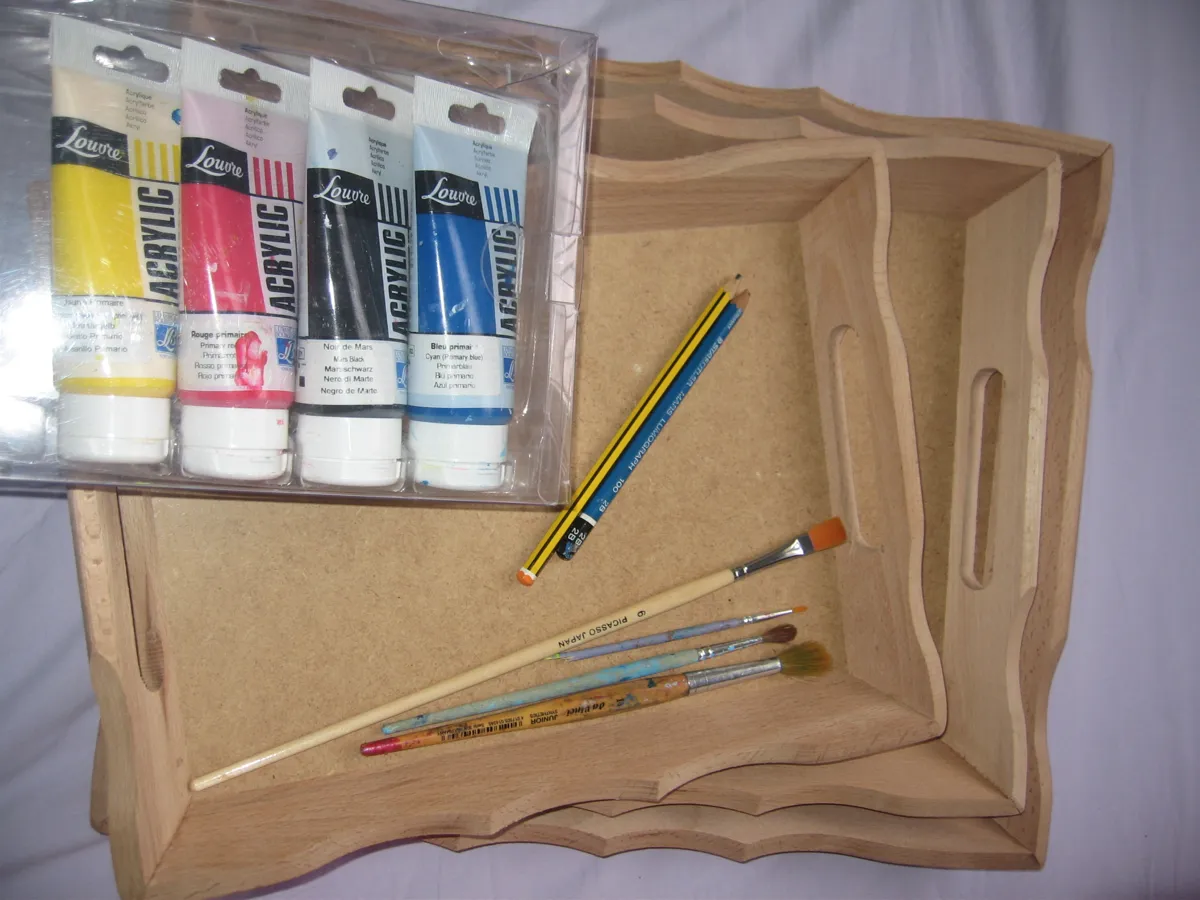
Few categories are built for short-form video the way arts and crafts are. A blank wooden tray becomes a painted gift in thirty seconds of time-lapse. A diamond-painting canvas fills in one satisfying click at a time. A beginner watercolor set produces a sunset that makes viewers think, “I could do that tonight.” The product demo and the entertainment are the same thing, which is exactly what TikTok Shop rewards.
Craft brands also have advantages most categories would envy: low price points that suit impulse buys, consumables that run out and get reordered, kits that bundle naturally, and a huge base of hobby creators who already film their projects. The traps are less obvious. Art materials carry a federal labeling requirement many small brands have never heard of, kids’ craft kits can quietly become regulated children’s products, and “non-toxic” is a safety claim that needs backing. This guide covers how we approach craft and hobby brands on TikTok Shop, from compliance to creators.
Short version. Confirm your labels before your listings: art materials sold to US consumers need an ASTM D-4236 conformance statement under LHAMA, and kits aimed at kids 12 and under usually need third-party testing and a Children’s Product Certificate. Then build content around the finished result, sell kits and refills as bundles, use LIVE for real-time demos, and brief creators to repeat the label rather than improvise safety claims.
Why Craft and Hobby Brands Fit TikTok Shop
Craft content works on TikTok for the same reason craft stores put finished samples at the end of every aisle: people buy the outcome. Process videos (a pour painting, a resin coaster, a crochet amigurumi taking shape, a model kit being assembled) hold attention because viewers want to see how it ends. When the product in the video is the product in the cart, that attention converts without a hard sell.
The category has three other structural strengths. First, price: many craft products sit at a point where viewers buy on impulse rather than researching for a week. Second, replenishment: paint, yarn, beads, canvases, glue sticks and blades get used up, which suits the repeat-order and replenishment tactics that turn one viral video into a customer base. Third, community: hobbyists follow other hobbyists, so a product that earns respect in one craft niche spreads through that niche’s creators fast.
The challenge is that craft is not one category. A professional oil paint line, a children’s slime kit, a cross-stitch pattern shop and a hobby tool brand sell to different buyers with different rules. Before you plan content, sort your catalog into lanes.
Lane 1: Art Materials Need an ASTM D-4236 Label
The Labeling of Hazardous Art Materials Act (LHAMA), enacted in 1988, amended the Federal Hazardous Substances Act to require labeling of chronically hazardous art materials. The CPSC defines an art material as any substance marketed or represented as suitable for use in any phase of creating visual or graphic art, packaged in sizes intended for consumers. That covers far more than fine-art paint: think markers, crayons, colored pencils, modeling clay, glazes, inks and many craft paints and adhesives.
According to the CPSC’s business guidance, the rules apply whether or not a product is actually hazardous:
- Art materials must undergo a toxicological assessment at least every five years to determine whether they pose a chronic hazard.
- The criteria used for that assessment must be submitted to the CPSC’s Division of Regulatory Enforcement, along with a list of any art materials that need chronic hazard labeling.
- A conformance statement such as “Conforms to ASTM D-4236” must appear on the product whenever practicable, or otherwise on the package or other permitted point-of-sale materials.
- Materials that do pose a hazard need cautionary labeling under the FHSA rules.
Separately, CPSC rules at 16 CFR part 1303 ban paints and similar surface-coating materials containing lead above 0.009 percent (90 ppm), with listed exemptions. If you import paint, ink or coating products from overseas suppliers, get the paperwork for both before you build a creator program around them.
For TikTok Shop specifically, this matters in two places. Your product images should show the label clearly, because shoppers, reviewers and platform reviewers look for it. And your listing and creator claims have to match it. If a listing says “non-toxic” and the package does not, expect questions.
Lane 2: Kids’ Craft Kits Are Often Children’s Products
Slime kits, bead sets, paint-your-own figurines, friendship-bracelet kits and coloring sets are some of the most giftable products on the platform. They are also where craft brands most often wander into children’s product rules without realizing it. Under CPSC rules, a product designed or intended primarily for children 12 and under is generally a children’s product, which typically means third-party testing at a CPSC-accepted lab and a Children’s Product Certificate. Age grading, packaging, marketing and where the product is sold all affect how it is classified.
That classification follows the content too. A kit filmed by a parent creator with their seven-year-old, captioned as a rainy-day kids’ activity, is being marketed to children whatever the box says. If your kit is meant for adults or teens, say so on the package and keep the creator content consistent. If it is meant for kids, get the testing and certificate in place first. Our guide to TikTok Shop for baby and kids brands covers the platform side of selling to parents, and the toys and games guide covers products that cross into play.
Launching a craft brand on TikTok Shop?
We build creator programs, bundles and LIVE demos for art supply, kit and hobby brands, with labels and claims checked before anything goes live.
Apply to Work With Us →Lane 3: Adult Hobby and Tool Brands
Hobby tools (cutting machines, rotary cutters, heat tools, glue guns, airbrushes, soldering kits for model makers) and supplies for adult hobbies (resin, alcohol inks, yarn, fabric, model kits) are often the easiest lane for compliance and the hardest for content. Easy, because many are not art materials or children’s products. Hard, because the buyer is more experienced and less impressed by a generic unboxing.
For this lane, credibility comes from skill. Recruit creators who actually do the hobby and let them show the tool solving a real problem: cleaner cuts, faster setup, a finish they could not get before. Safety still matters on camera. If a product involves heat, blades or fumes, creators should show proper use, ventilation and protective equipment the way the label says, not shortcuts that look good in a fifteen-second clip.
Content That Sells Crafts: Show the Finish First
The craft videos that convert tend to follow a simple pattern: show the finished piece in the first second or two, then show how it was made, then show the kit or supplies. Starting with the finish answers the viewer’s first question (“is this worth my time?”) before they scroll.
- Before and after on the same object. Blank tray to painted tray, plain tote to embroidered tote, unpainted miniature to finished figure.
- Beginner proof. Someone who has never done the craft following the kit instructions. If they succeed, the viewer believes they can too.
- Satisfying process. Peeling tape off a painted line, pouring, sanding, the click of a kit snapping together. Let the sound carry it.
- What’s in the box. A clear, quick inventory of a kit so buyers know exactly what they get.
- Mistakes and fixes. Showing how to fix a common error builds trust and answers objections before they become reviews.
Keep creator safety claims tied to the label. Our guide to TikTok Shop claims and banned words covers the broader policy, and the creator brief template shows how we structure briefs.
Bundles, Kits and Refills
Crafts bundle more naturally than almost any category. A starter kit pairs the tool with the supplies to finish a first project. A refill pack sells the consumables the kit runs out of. A seasonal set (holiday ornaments, spring florals, back-to-school) gives creators a reason to post again. On TikTok Shop, those structures do three jobs: they raise average order value, they give the algorithm a new product to test, and they make the first purchase easier because the buyer does not have to figure out what else they need.
Two cautions. Build bundles around one finished project so the content stays clear, and price refills so a repeat buyer feels rewarded. Our guide to bundle and multibuy strategy goes deeper on structure and pricing.
Using TikTok LIVE for Craft Demos
LIVE is a natural fit for craft brands because a project can start and finish on stream. A host paints a tray, builds a kit or works through a pattern while viewers ask questions about technique, colors and difficulty. Kit and bundle offers can be explained in real time, and the host can pin the exact products they are using.
Plan the stream around a project that fits the time slot, keep the product labels visible, and choose hosts who can actually do the craft. A host who stumbles through a technique loses a hobby audience fast. Our LIVE shopping strategy guide covers scheduling and offers.
Briefing Craft Creators
The best craft creators already have an audience that trusts their taste. A good brief respects that and protects the brand at the same time:
- Name the project you want them to make, and send everything they need to finish it.
- Ask them to show the finished result early, then the process.
- Give them the exact label language for safety, age range and any ASTM D-4236 or certification statements, and ask them not to add claims beyond it.
- For kids’ kits, match the age grading on the box and avoid showing younger children using products labeled for older ages.
- Require clear disclosure of gifted product or paid partnerships.
- Ask for honest difficulty. “This took me two evenings” sells better and returns less than “so easy.”
How We Sequence a Craft Brand Launch
- Catalog sort. Split products into art materials, children’s products and adult hobby tools and supplies, and confirm labels and certificates for each.
- Listings. Product images that show the label, kit contents and finished project; titles that name the project, not just the product.
- Hero project. Pick one finished project per hero product and build the kit or bundle around it.
- Creator seeding. Send kits to creators who already make that craft, with a brief built around the hero project.
- Read the data. Find the videos where viewers watched to the finish and clicked; brief more creators on that angle.
- LIVE and ads. Add LIVE demos and spend behind proven videos, not untested ones.
- Refills and seasonal sets. Bring buyers back with consumables and new projects.
The order matters more than the speed. Labels before listings, a finished project before creators, proof before ad spend.
Frequently Asked Questions
Do art supplies need special labeling to sell on TikTok Shop?
Art materials sold to US consumers fall under the Labeling of Hazardous Art Materials Act (LHAMA), enforced by the CPSC. Every art material needs a toxicological assessment at least every five years and a conformance statement such as "Conforms to ASTM D-4236" on the product or package, and products that pose a chronic hazard need cautionary labeling. Have that label in place before you list, and show it clearly in your product images.
Is a kids' craft kit a children's product?
If a craft kit is designed or intended primarily for children 12 and under, it is generally a children's product under CPSC rules, which typically means third-party testing at a CPSC-accepted lab and a Children's Product Certificate. Marketing, packaging, age grading and where it is sold all factor in. Check your own product with a compliance advisor before you launch it on TikTok Shop.
What craft products sell best on TikTok Shop?
We do not publish category sales rankings. As a rule of thumb, craft products suit short-form video best when the finished result is visible in seconds and the process is satisfying to watch: paint sets, kits with a clear finished project, refill-friendly supplies and tools that make a hard step easy. Test with creators before you scale ad spend.
Can creators say a paint or craft product is non-toxic?
Be careful. "Non-toxic" is a safety claim. For art materials, it should be backed by the product's LHAMA toxicological review and match what is printed on the label. Creators should repeat the label, not improvise on safety, and avoid implying a product is safe for ages or uses the label does not cover.
Is TikTok LIVE good for craft brands?
Live demos suit craft brands well because a project can be started and finished on stream, viewers can ask questions about technique, and kit and bundle offers can be explained in real time. Plan the project to fit the stream, keep the label visible, and have a host who can actually do the craft.