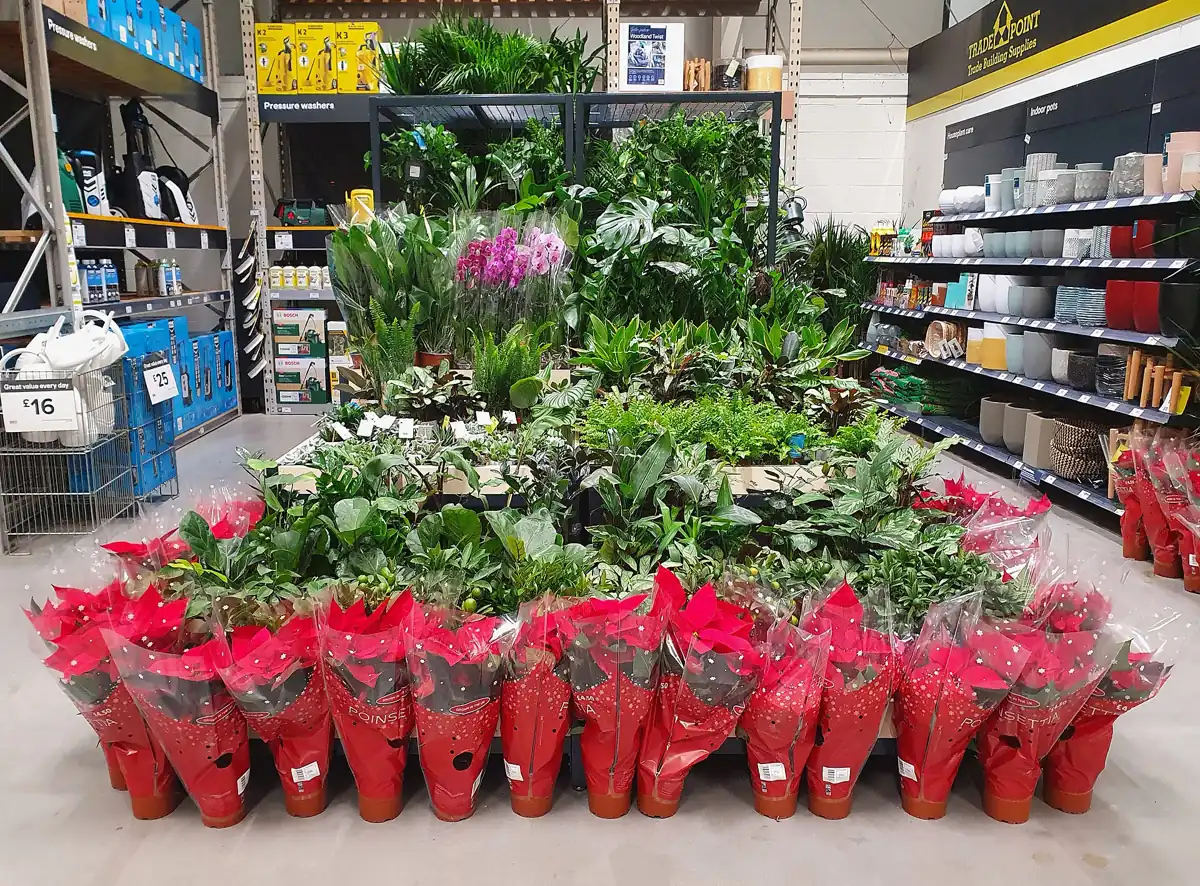
Gardening looks made for TikTok Shop. A seedling tray that turns into a windowsill herb garden, a monstera that doubles in a season, a raised bed built in a time-lapse: the transformation is the content. Plant parents and backyard growers buy in seasons, they buy again when something dies, and they love to film what they grew. For a garden brand, that is a creator program waiting to happen.
It is also one of the more paperwork-heavy aisles on the platform. Live plants are a restricted category that needs its own qualification. Seeds can be fine or flatly prohibited depending on where they ship from and whether the species is named. Anything that kills a bug, a weed or a fungus is a pesticide in the eyes of the EPA, and TikTok asks to see the registration. This guide walks garden, houseplant, seed and garden-care brands through what TikTok Shop US asks for, the federal rules sitting underneath it, how claims can change what your product legally is, and how we sequence a launch. Platform rules are summarized from TikTok Shop’s US Seller University policy pages; federal rules come from USDA APHIS, the U.S. Code and the EPA. Where we are describing agency practice rather than quoting a rule, we say so.
Short version. Sort your catalog into four lanes before you list anything: live plants (restricted, category qualification under Home Improvement > Garden Supplies > Live Plants), seeds (allowed only when the species is identified and the seed ships from inside the U.S.), pest, weed and disease control (restricted pesticides that need a matching EPA registration), and hard goods like pots, tools, grow lights and planters. Nurseries and resellers submit different documents. Keep creator claims about how a product looks and grows, not about what it kills, unless the product is a registered pesticide.
Why Garden Brands Fit TikTok Shop
The best-selling garden content on short-form video tends to share three traits. It shows a before and an after on the same plant, it teaches one small skill (propagating a pothos cutting, repotting a root-bound snake plant, thinning carrot seedlings), and it makes the viewer feel they could do it this weekend. Those are the same traits that make a product video convert, because the product is part of the lesson rather than an ad break.
Garden categories also have a natural replenishment rhythm. Seed packets and potting mix get used up. Plant food runs out. Growers who succeed with one plant buy the next. That makes garden brands a good match for the replenishment and repeat-order tactics that turn a viral moment into a customer list. The flip side is seasonality: outdoor gardening demand clusters in spring, houseplants and holiday plants carry the cold months, and a launch that ignores the calendar wastes its first creator wave.
Lane 1: Live Plants Need Category Qualification
TikTok Shop treats live plants as a restricted category. Its US live plant compliance requirements say sellers who want to list them may need to pass a category qualification review, submitted through the qualification center under Home Improvement > Garden Supplies > Live Plants, and that live plant listings are also bound by the general restricted products rules. Industry coverage of TikTok’s qualification framework lists Live Plants among the categories that require documents up front, alongside Pesticides.
The policy names the plant types that can be sold after approval: bonsai, cacti and succulents, carnivorous plants, ferns, flowers, orchids, trees, aquatic plants, fruit, grasses, hedges and shrubs, herbs, roses, vegetables and vines. What you submit depends on which kind of seller you are.
| Seller type | Documents TikTok may ask for | Notes |
|---|---|---|
| Nursery (you grow the plants) | Nursery license or certificate; quarantine compliance agreement; phytosanitary certificate for interstate sales; plant photos and labels | License from an agriculture department, unexpired, showing business name and address. Compliance agreement from USDA or a state agency. Certificate shows inspection date, origin and a pest-free certification statement. |
| Reseller (you buy from a grower) | Purchase invoice from a U.S. supplier; plant photos and labels | Invoice must be legible, in English, issued within the last 365 days, show the supplier’s name and address, and match the category you are listing. |
Both seller types are asked for photos showing the plant from every angle and any tag or label that names it. That detail matters more than it sounds. A listing photo of a glossy styled plant with no tag is exactly what a reviewer can’t verify. Shoot the real stock, with the grower tag visible, before you submit. If a listing gets bounced anyway, our guide to rejected TikTok Shop listings covers how to read the reason and resubmit.
Quarantines are not a TikTok rule, but they will catch you. USDA APHIS tells shippers never to mail or ship plants or other agricultural items from areas under a federal or state quarantine for an invasive pest. If your growing operation sits in a quarantine zone, the compliance agreement TikTok asks about is the document that shows you are allowed to move product out of it. Sort this with your state agriculture department before you sell interstate.
Lane 2: Seeds Are Allowed, Mystery Seeds Are Not
TikTok Shop’s US prohibited products policy draws three clear lines for plant material. Prohibited items include plants, seeds, cuttings and other live plant material shipped from outside the United States; noxious, poisonous, invasive, dangerous or harmful plants and seeds, including those prohibited by USDA; and unidentified plants, seeds or propagative material, which the policy spells out as “mystery seeds” or products that don’t disclose the exact species being sold.
For a seed brand, that translates into a short checklist:
- Ship from a U.S. location. Cross-border fulfillment of seeds is off the table under this policy, even if the same packet is legal to import with the right permit.
- Name the species on the listing and the packet. A “rainbow flower surprise mix” with no species list is the textbook mystery-seed listing. List what is in the mix.
- Check the noxious weed lists. Federal and state noxious weed lists differ, and some ornamental favorites are restricted in particular states. Exclude those states in your shipping settings if you sell them at all.
- Label agricultural and vegetable seed correctly. The Federal Seed Act makes it unlawful to ship agricultural or vegetable seed for planting in interstate commerce unless each container carries the required label. 7 U.S.C. § 1571 lists what goes on it, including the name and address of the shipper or the person the seed is sold to for resale. Your seed supplier should already be compliant; if you pack your own, read the statute and your state’s seed law.
The seed rules exist for a reason APHIS states plainly: imported seed can carry plant pests, pathogens or noxious weeds. It is also why APHIS treats a U.S. shopper buying seed from an overseas e-commerce seller as an importer who most likely needs a permit. A U.S.-based seed brand that ships domestically and names every species is on the right side of both the platform and the regulator, and that is a selling point worth saying out loud in your listing copy.
Launching a garden brand on TikTok Shop?
We handle category qualification files, claim-safe creator briefs and seasonal creator programs for home and garden brands.
Apply to Work With Us →Lane 3: If It Kills Something, It Is Probably a Pesticide
This is where most garden-care brands get surprised. Under EPA regulations at 40 CFR 152.15, a pesticide is any substance intended to prevent, destroy, repel or mitigate a pest, or to act as a plant regulator, defoliant or desiccant. Whether your product is intended for that purpose turns partly on what the seller claims, states or implies, on the label or otherwise. A neem oil spray sold to shine leaves is one product. The same bottle sold to “wipe out aphids” is a pesticide claim.
EPA and state regulators have been direct about online sales for years. Their joint advisory notice on pesticide e-commerce lists lawn and garden products that kill weeds, insects or some plant diseases among products that are pesticides, says it is against the law to sell unregistered or misbranded pesticides in the United States, notes that most pesticides need registration with the EPA and with each state where they are sold, and warns that many states require pesticide dealers to be licensed even when they are not physically located in the state.
TikTok Shop layers its own rules on top. Its US prohibited products policy bans products prohibited under TikTok Shop’s Pesticides Requirements, including unregistered or misbranded pesticides and misbranded pesticide devices, and Pesticides is one of the categories that requires qualification. Seller-tool and compliance writeups of those requirements describe the file this way:
| Who you are | What TikTok may request |
|---|---|
| Manufacturer or importer | The applicable EPA Registration Number and/or EPA Establishment Number, plus clear, unaltered images of the product and packaging showing those numbers, the active ingredients and the “Keep Out of Reach of Children” statement |
| Reseller | A legible manufacturer invoice issued in the last 365 days that names the product, plus the same label and packaging images |
One distinction trips up a lot of sellers: an EPA Establishment Number identifies the facility that made a product, while an EPA Registration Number identifies the registered product itself. They are not interchangeable. If your supplier hands you “our EPA number,” confirm which one it is and that it matches the exact formulation and label you are listing.
Some botanical products are sold as minimum risk pesticides, which EPA exempts from federal registration when they meet specific conditions on ingredients and labeling. That exemption is narrow, many states still regulate those products, and the TikTok review still wants the label to match what you say. Treat “natural” as a marketing word, not a compliance status. Our claims and banned words guide covers how platform reviewers read this kind of language across categories.
Claims that keep garden care out of pesticide territory
| Growth and care framing | Pesticide framing (needs registration) |
|---|---|
| Feeds plants through the growing season | Kills fungus gnats |
| Cleans dust off leaves | Gets rid of spider mites |
| Physical barrier that keeps rabbits off the bed | Repels deer and rodents (for a spray or granule) |
| Drains well for succulents and cacti | Prevents root rot and mildew |
| Mulch that covers bare soil | Stops weeds from growing |
The right-hand column isn’t forbidden. A registered product can say what its label allows. The point is that those words need the registration behind them, and on TikTok Shop it is the creators, not just you, who say them. Fertilizer is a separate lane federally, but fertilizer labeling is regulated by the states, and a “plant food plus bug killer” combination is a pesticide product. Get your regulatory contact to sign off on each SKU’s lane before the listing goes up.
Lane 4: Hard Goods Are the Easy Wins
Pots, planters, self-watering containers, grow lights, propagation stations, trellises, hand tools, kneeling pads, raised bed kits and garden decor carry far less plant-specific paperwork. That makes them the usual first products we take live for a garden brand that also sells plants or seeds, because they let the shop build sales history and creator relationships while qualification files are under review.
They are not paperwork-free. Grow lights and smart watering timers are electronics with their own requirements, power tools and battery products sit under TikTok’s tools and hardware rules, and some cutting tools are outright prohibited. Our tools and hardware brand guide covers those, and bulky raised beds, bags of soil and large planters raise the shipping questions in our oversized and heavy item fulfillment guide.
Shipping Live Product Without Killing Your Ratings
A plant that arrives crushed, frozen or dried out is a refund, a bad review and a late shipment problem rolled into one. TikTok does not grade you on whether a fern survived the trip, but buyers do, and they say so in reviews and on video. Agency practice we use with plant sellers:
- Set handling time honestly. If you pull to order from a greenhouse, your handling window should reflect that. Late shipments cost more than a slightly longer promise.
- Build a weather hold. Decide in advance which temperatures pause shipments to cold or hot zones, publish that policy on the listing, and use TikTok’s holiday or vacation settings rather than letting orders age.
- Ship early in the week. Avoid packages sitting in a hub over a weekend.
- Photograph the box before it leaves. Packing photos settle damage disputes fast.
- Write a live-arrival policy. State what you replace, what you refund and how fast a buyer has to report a problem, so creators and customer service give the same answer. Our return policy guide covers how that interacts with TikTok’s own return rules.
Briefing Garden Creators
The garden creator pool on TikTok is deep and skews toward people who genuinely grow things, which is good news. Their audiences trust them because they show failures as well as wins. Our brief structure for garden brands (agency practice, not a TikTok template):
- Approved lines. Five or six exact claims about growth, care, convenience and looks, in plain language, with any numbers sourced to your own testing.
- The red list. For any non-registered product: kill, eliminate, cure, prevent disease, repel, pest-proof, weed-free. For seeds: no species promises the packet doesn’t support.
- Real timelines. Seeds take weeks to show anything. Ask for a series rather than a single video, and do not let editing compress a season into a fake overnight result.
- Plant safety. If a plant is toxic to pets, the creator should say so. Pet-owner audiences overlap heavily with plant-owner audiences, and that one line prevents a lot of angry comments.
- Disclosure. Gifted plants and commission links are a material connection. See our creator disclosure and FTC compliance guide.
Formats that tend to work: propagation and repotting tutorials, “what I’d buy for a first apartment plant shelf,” unboxing a plant shipment with the packing visible, seed-to-harvest series and grow-light setups. LIVE works well for nurseries, where a host can walk the greenhouse and take requests in real time; our LIVE shopping strategy guide covers the mechanics.
How We Sequence a Garden Brand Launch
- Catalog triage. Every SKU assigned to one of the four lanes, with the documents each lane needs listed next to it.
- Hard goods first. Pots, tools and lights go live while live-plant and pesticide qualification files are reviewed.
- Qualification files. Nursery license, compliance agreement and phytosanitary certificate (or supplier invoices for resellers); EPA numbers matched to labels for any care product with pest claims.
- Season-aware seeding. Seed 20 to 40 garden creators about four to six weeks ahead of the demand window you are targeting, with the brief above.
- Review before spend. Check every posted video against the red list before you whitelist it for Spark Ads or push it with GMV Max.
- Bundles and replenishment. Plant-plus-pot bundles, seed collections and refill packs once the first winners are clear.
The counts are starting points, not rules. The order is what protects the shop: lanes before listings, paperwork before plants, briefs before creators, review before ad spend.
Frequently Asked Questions
Can you sell live plants on TikTok Shop?
Yes in the US, but live plants are a restricted category. TikTok's live plant compliance requirements say sellers may need to pass category qualification under Home Improvement > Garden Supplies > Live Plants. Nurseries may be asked for a nursery license or certificate, a quarantine compliance agreement, a phytosanitary certificate for interstate sales, and plant photos with labels; resellers may be asked for a recent U.S. supplier invoice and the same photos.
Can you sell seeds on TikTok Shop?
Identified seeds shipped from inside the United States can be sold. TikTok Shop's US prohibited products policy bans plants, seeds and cuttings shipped from outside the US, noxious, invasive or harmful plants and seeds, and unidentified seeds such as “mystery seeds” that don't disclose the exact species.
Do garden sprays and weed killers need EPA registration to sell on TikTok Shop?
If a product claims to kill, repel or control pests, weeds or plant diseases, it is generally a pesticide under EPA rules and needs registration unless a narrow exemption applies. TikTok Shop treats pesticides as a restricted category and prohibits unregistered or misbranded pesticides, and may ask for the EPA Registration or Establishment Number and label images showing it.
Is an EPA Establishment Number the same as an EPA Registration Number?
No. An Establishment Number identifies the facility that produced a product. A Registration Number identifies the registered pesticide product itself. TikTok's review expects the number you submit to match the exact product and label you are listing.
What should garden creators avoid saying on TikTok Shop?
For any product that is not a registered pesticide, avoid claims that it kills, eliminates, repels or prevents pests, weeds or plant disease. Keep claims to growth, care, appearance and convenience, show realistic timelines, mention pet toxicity where relevant, and disclose gifted product and commission links.