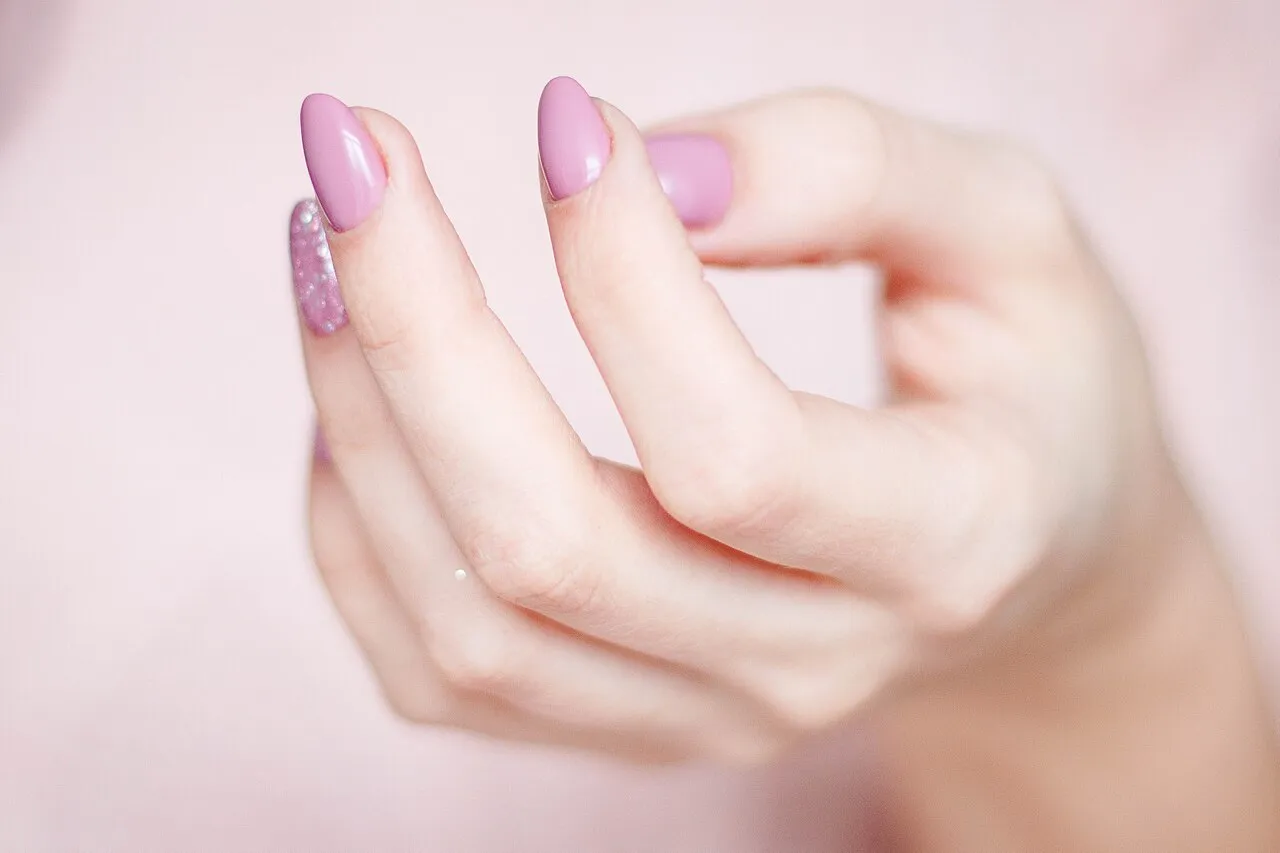
Nails are made for short video. A bare hand becomes a finished set in fifteen seconds, the result is visible from across a room, and the “do it yourself at home” promise of a press-on set has a built-in reason to buy: no appointment, no salon price, a new look for the weekend. Buyers also reorder, because a set is worn for days or weeks, then replaced, and they buy a new look for each season.
It is also a category where small brands underestimate the rules. Nail products are regulated by FDA as cosmetics, labels carry specific requirements, removers and primers can trigger child-resistant packaging rules, and the line between a cosmetic claim and a drug claim is easy to cross when a creator says a product “strengthens” or “repairs” nails. This guide covers the federal rules that matter, how to set up the catalog, how to brief creators and how we sequence a launch. It describes federal requirements and general practice; confirm TikTok Shop’s current category and prohibited-product rules in Seller Center for your own listings.
Short version. Treat a nail brand as a regulated cosmetics business first and a content business second: know your FDA status and whether the MoCRA small-business exemption can apply to your products, put a correct ingredient list and warnings on every label, check removers and primers for child-resistant packaging, keep claims to what a camera can show, solve sizing before you scale, and brief creators on application and removal rather than on health promises.
Why Nail Brands Fit TikTok Shop
The strongest content formats for nails are demonstrations: a full application, a before and after, a drying or wear-test, a removal. Each one shows the product doing the work, which is the closest thing a brand has to proof. Press-on sets are also well suited to creators because the product is visual, the learning curve is short and viewers can picture themselves doing it. Polish and gel lines add a second layer, which is color. A shade shown on a real hand, in real light, does more than a swatch image. Repeat purchase is natural: new colors, new sets, refills of top coat and base coat, and removal and care products that pair with the original sale. Our replenishment and repeat-order guide covers how to turn that into a second order, and the broader beauty brand guide covers the rest of the aisle.
Lane 1: Know What FDA Considers Your Product
FDA states that nail products for both home and salon use are regulated by the agency and are generally regulated as cosmetics under section 201(i) of the FD&C Act. Products intended to treat medical problems such as nail fungus are drugs. Cosmetics and their ingredients, including nail products, do not need FDA approval before they go on the market, with the exception of most color additives. That does not mean there are no rules. By law nail products sold in the United States must be safe when used as directed on the label or in the usual way, and FDA can act against products that do not comply.
Start with a simple sort of your catalog:
| Product type | Typical FDA treatment | What to check first |
|---|---|---|
| Nail polish, base and top coat | Cosmetic | Ingredient list, warnings, color additive status, safety substantiation records |
| Gel polish and builder gel | Cosmetic | Same, plus the MoCRA exemption carve-out and professional-vs-retail labeling |
| Press-on and glue-on nails | Cosmetic | Adhesive ingredients and warnings, ingredient list for the full kit |
| Removers and primers | Cosmetic, may also trigger CPSC packaging rules | Acetonitrile and methacrylic acid content, child-resistant packaging, warnings |
| Nail strengtheners and treatments | Cosmetic or drug depending on claims | Any treatment claim; antifungal or medical claims make it a drug |
The bottom row is the one that gets brands in trouble. A hardener or strengthener sold on its appearance is a cosmetic. The moment the listing or a creator says it treats nail fungus, repairs damage or cures a condition, the claim is about a medical effect. See our claims and banned-words guide for how that plays out in listings and videos.
Lane 2: MoCRA, the Small-Business Exemption and Its Carve-Out
The Modernization of Cosmetics Regulation Act of 2022 gave FDA new authority over cosmetics and put new duties on the companies behind them. FDA lists them as: adverse event reporting (serious adverse events to FDA within 15 business days), facility registration for manufacturers and processors with renewal every two years, product listing for each marketed product with its ingredients, and safety substantiation, meaning records that support the safety of each product. FDA is also authorized to order mandatory recalls under certain conditions and to access safety records. The law does not require specific tests; it requires adequate substantiation, and it is up to the responsible person to keep the records.
MoCRA exempts certain small businesses from registration, listing and good manufacturing practice requirements. The statute defines small businesses as responsible persons and facility owners and operators whose average gross annual U.S. cosmetic sales over the previous three years are under $1,000,000, adjusted for inflation. The exemption comes with exceptions. It does not apply to a business that makes or processes products that regularly contact the mucous membrane of the eye, injected products, products for internal use, or products intended to alter appearance for more than 24 hours under customary use when removal by the consumer is not part of customary use.
That last carve-out is the one nail brands should read twice. A traditional polish is made to be removed by the wearer. Some gel, dip and extension products are designed to last for weeks and are typically removed in a salon. We are not lawyers, and the interpretation of that clause for a specific product is a question for regulatory counsel, not a content agency. The practical advice is to ask the question before launch, not after the first order. The responsible person is the manufacturer, packer or distributor whose name is on the label, which for many private-label brands is the brand itself.
Do not assume you are exempt. A brand under the $1 million threshold can still be outside the exemption because of what the product is. Confirm your status in writing with a regulatory adviser before listing, and keep safety substantiation records whether or not you register.
Lane 3: Labels, Warnings and Child-Resistant Packaging
FDA requires that cosmetics sold at retail, in stores or online, bear a list of ingredients in descending order of predominance. The ingredient declaration does not apply to products used only at salons or to free samples, but a product that is also sold at retail must have one, even if it is labeled for professional use only. Every cosmetic label, whether marketed to consumers or salons, must carry a warning statement whenever necessary or appropriate to prevent a health hazard that may occur with use of the product (21 CFR 740.1). For a nail brand that means a hard look at adhesive, primer and remover labels, and the ingredient list should match the formula actually shipped.
Some nail products also fall under the Consumer Product Safety Commission. FDA notes that liquid household glue removers containing more than 500 milligrams of acetonitrile in a single container, which includes artificial nail removers, require child-resistant packaging under the Poison Prevention Packaging Act, and that CPSC requires child-resistant packaging for certain nail primers that contain methacrylic acid. FDA adds that child-resistant packaging does not mean a child could not open it, so the label warning still matters. If you sell removers or primers, check these rules before you list; a listing rejected for missing compliance is a delay you can avoid. Our rejected listings guide explains how to fix one.
FDA also names common ingredients that need attention. Acrylic nail products rely on methacrylate monomers, to which some people become allergic, and FDA describes avoiding skin contact as the way to minimize that risk. Formaldehyde appears in some hardeners and polishes and can cause irritation or allergic reactions. Toluene and phthalates have been used in polishes, with use declining. If your formula is free of any of these, say so only if it is accurate and you can show it. If it contains one, the ingredient list has to say so.
Launching a nail brand on TikTok Shop?
Sold Out Brands helps beauty brands build compliant catalogs, creator programs and LIVE shows. Limited partner spots.
Apply to Work With Us →Lane 4: Build a Catalog That Prevents Returns
A nail catalog has two ways to go wrong, and both show up as returns. The first is color: a shade that looks one way on a phone and another in person. The second, for press-ons, is size. A set that does not fit is not a defect but it is a refund, a bad review and a lost customer. Fix both in the listing before scaling traffic.
- Show color on real hands. Use photographs on several skin tones in natural light, not only a flat render. Name shades clearly and keep a consistent naming system across sets.
- Make sizing impossible to miss. Put the size chart in the images, explain how to measure the nail at home and say what is in the box, including how many sizes and pieces. Consider a size-kit SKU that lets buyers test before buying a full set.
- List what is included. Adhesive tabs, glue, prep pad, file, cuticle tool and a removal guide, as applicable. Missing accessories are a common complaint.
- State application and removal plainly. A removal guide in the listing and the box reduces damage complaints and supports honest creator content.
- Use variants carefully. A set in six sizes across twelve designs is a large matrix. Our variant and SKU guide shows how to keep it manageable.
- Plan the return policy. Opened cosmetics and applied sets are usually not resellable. Write the policy so creators and support say the same thing; see our return policy guide.
Samples, Bundles and Packaging
Nails reward sampling more than most categories, because the product only makes sense when it is on a hand. Send creators a complete, correctly sized set and the accessories, not a loose piece. Ask about nail shape and length preferences before shipping, so the set fits the content they usually make. Our sample request guide covers how to handle requests at volume without burning through stock.
Bundles work naturally: a set plus a removal kit, a polish plus its base and top coat, a seasonal collection. The goal is a higher order value and a complete result for the buyer, not a discount for its own sake; see bundle and multibuy strategy. Packaging is part of the product here, since the unboxing is content in itself and the box protects the set in transit. Our packaging and unboxing guide covers the details.
Briefing Nail Creators
- Show the process. Prep, application, finish and wear-time on camera. The honest version of a nail video is a real person with a real result.
- Skip health promises. No claims about strengthening, growing, repairing or treating nails unless you have the substantiation and the product category allows it. Describe look, fit and feel.
- Be honest about wear time. Have creators say how long the set lasted for them, and what their routine was, rather than quoting a number from the brand.
- Show removal. Removal done carefully is part of a trustworthy review. Do not recommend peeling or forcing sets off.
- Disclose. Gifted sets and commission links are a material connection. The FTC’s Endorsement Guides, 16 CFR Part 255, apply to creators and the brands that work with them; see our creator disclosure and FTC compliance guide.
- Mention safety directions. If the product has a warning, such as keeping a remover away from children or avoiding skin contact with an adhesive, the creator should say it plainly.
Formats that tend to work for nails: full application tutorials, seasonal sets styled for an occasion, a week-in-the-life wear test, drugstore-versus-brand comparisons that stay factual, and LIVE demos where a host applies a set and answers sizing questions in real time. Our LIVE shopping strategy guide covers the show format.
How We Sequence a Nail Brand Launch
- Weeks 1 to 2: compliance and catalog. Confirm FDA status and MoCRA position with an adviser, finalize labels and ingredient lists, check removers and primers for packaging rules, and build the size chart and listing images.
- Weeks 2 to 3: samples. Send correctly sized, complete sets to a small group of creators, with the brief and the disclosure rules.
- Weeks 3 to 4: first content and listings. Publish the catalog, review early videos for claims, and fix sizing or color complaints found in the first orders.
- Weeks 4 to 6: scale what works. Expand to creators who match your best-performing styles, test one bundle, and run a LIVE demo.
- Ongoing: seasonal sets. Plan collections ahead of holidays and events, and keep records of adverse reports so they can be reviewed and, where required, reported.
Finally, treat customer complaints as safety data. A cluster of reports of irritation or allergic reaction with one adhesive or formula is a signal to investigate, and for a responsible person a serious adverse event has a reporting duty. Keep a simple log from day one.
Frequently Asked Questions
Are nail products regulated as cosmetics?
Mostly yes. FDA says nail products for home and salon use are generally regulated as cosmetics under the Federal Food, Drug, and Cosmetic Act, while products intended to treat a medical problem such as nail fungus are drugs. That line is also a claims line: a polish that colors the nail is a cosmetic, and a product that says it treats a condition is making a drug claim.
Do small nail brands have to register with FDA under MoCRA?
Not necessarily. MoCRA exempts small businesses, defined as those with average gross annual U.S. cosmetic sales under $1,000,000 over the previous three years (adjusted for inflation), from facility registration and product listing. The exemption does not apply to certain product types, including products intended to alter appearance for more than 24 hours under customary use when removal by the consumer is not part of customary use. Whether a particular gel or press-on product falls in that group is a regulatory question to put to a qualified adviser, and the safe course is to ask before you assume you are exempt.
What has to be on a nail product label?
For cosmetics sold at retail, including online, FDA requires an ingredient list in descending order of predominance, and a warning statement whenever necessary or appropriate to prevent a health hazard (21 CFR 740.1). Ingredient lists are not required for products used only at salons or for free samples, but a product sold at retail needs one even if it says for professional use only. MoCRA also adds a requirement for contact information for adverse event reports on the label.
Do nail polish removers need child-resistant packaging?
Some do. FDA notes that child-resistant packaging is required for liquid household glue removers containing more than 500 milligrams of acetonitrile in a single container, such as artificial nail removers, under a Consumer Product Safety Commission rule. CPSC also requires child-resistant packaging for certain nail primers containing methacrylic acid. If you sell removers or primers, confirm the ingredient and packaging rules before listing.
Can creators say a press-on nail set is salon quality or damage-free?
Avoid absolute or health-related claims you cannot support. Keep creator language to what can be seen and tested: fit, finish, how long they wore the set, how they removed it and what the process involved. Claims about nail health, strengthening or treating a condition move the product toward drug territory, and unsubstantiated claims create FTC exposure for the brand and the creator.
What do press-on nail buyers return most often?
The most common problem is size. Sets come in numbered sizes, and a wrong fit is a return. Include a clear size chart, a way to measure at home and, ideally, a sizing kit option. Our variant and SKU management guide covers how to set up sizes without creating a catalog mess.