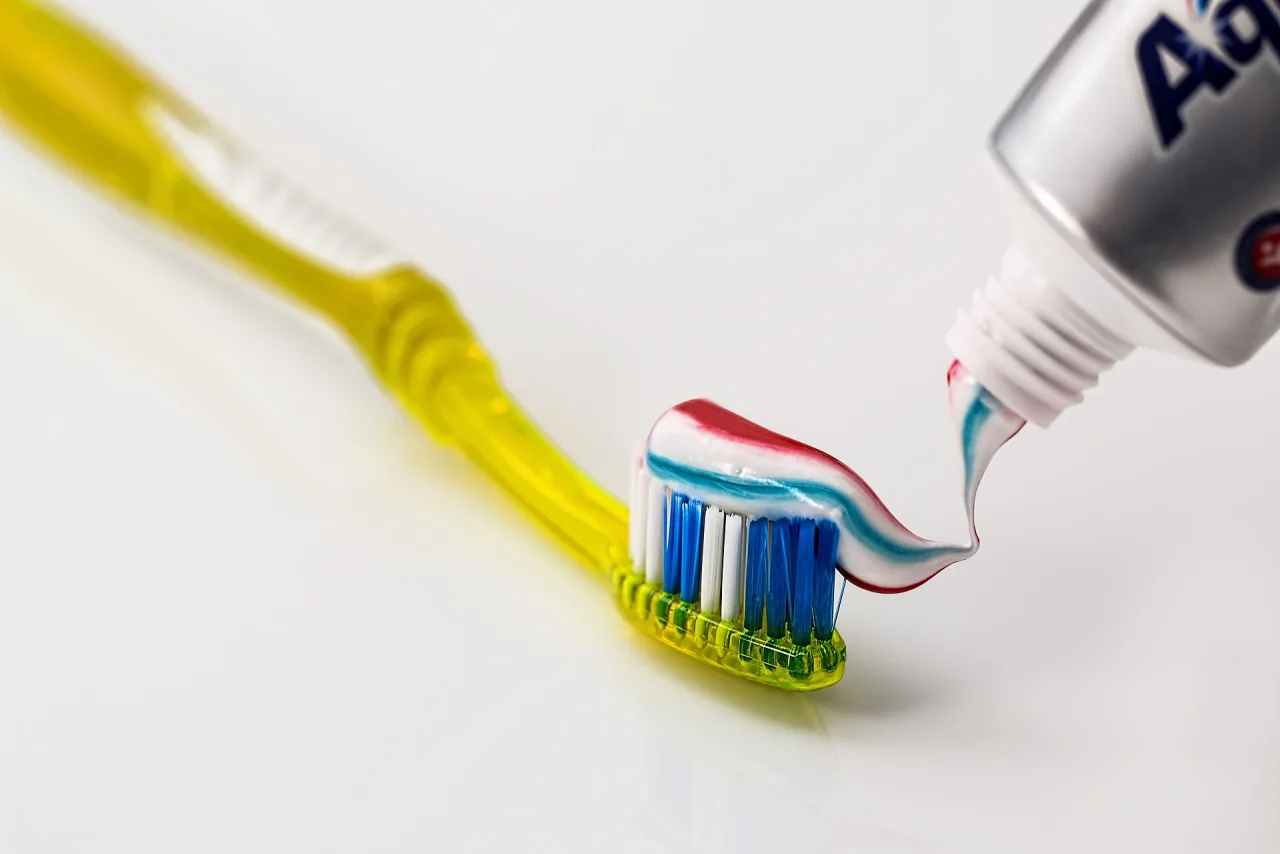
Oral care looks like an easy TikTok Shop category. The products are cheap to ship, the routines are filmable, and a whitening strip or a water flosser demo explains itself in five seconds. The catch is that this aisle sits on top of three different regulatory regimes. A whitening strip, a fluoride toothpaste and an electric toothbrush can share a creator video, but the FDA treats them as a cosmetic, a cosmetic-and-drug, and a medical device. TikTok Shop mirrors that split in how it approves listings and what it lets you claim.
This guide is for oral care and whitening brands planning a TikTok Shop launch or cleaning up a messy one. It covers how to classify each SKU, what TikTok asks for before a restricted listing goes live, which claims turn a cosmetic into a drug, how to brief creators so their videos don’t create the problem for you, and how we sequence a launch. Platform rules are summarized from TikTok Shop’s Seller Academy and policy pages; FDA definitions come from the agency’s own guidance. Where we are giving agency practice rather than quoting a rule, we say so.
Short version. Classify every SKU first: cosmetic (most whitening strips, pens and gels sold on appearance claims), cosmetic plus OTC drug (fluoride toothpaste), or medical device (toothbrushes, water flossers, whitening devices). TikTok treats oral care as a restricted beauty and personal care area with extra documentation, and its US consumer medical device rules ask for the manufacturer’s FDA establishment registration and listing. Keep claims cosmetic unless the product is legally a drug, and put that rule in every creator brief, because FDA counts promotional content when it decides what a product is intended to do.
Why Oral Care Works on TikTok Shop (and Why It Gets Flagged)
The category has the traits that convert in short-form video: a visible routine, a fast demonstration, a low price point, and a repeat purchase built in. Strips run out. Brush heads wear. Toothpaste is a monthly buy. That replenishment cycle makes oral care a natural fit for the replenishment and repeat-order tactics that turn one viral video into a customer base.
The same traits create the risk. The most persuasive oral care content is a transformation, and transformations invite claims. “My sensitivity is gone.” “It fixed my gums.” “Ten shades whiter in a week.” Each line is a claim someone has to be able to back up, and some of them change the legal category of the product. On a platform where hundreds of affiliates can promote one SKU, the brand that doesn’t control the script is the brand that collects the violation.
Step 1: Sort Every SKU Into the Right Bucket
The FDA decides whether something is a cosmetic or a drug by its intended use. Under the Federal Food, Drug, and Cosmetic Act, a cosmetic is meant for cleansing, beautifying, promoting attractiveness or altering appearance. A drug is meant to diagnose, cure, mitigate, treat or prevent disease, or to affect the structure or function of the body. FDA’s guidance uses toothpaste as its own example of a product that can be both: a toothpaste that freshens breath and cleans teeth and also contains fluoride is a cosmetic and a drug, and must meet the rules for both.
| Product type | How it is usually regulated | What that means for your listing |
|---|---|---|
| Whitening strips, pens, gels, powders sold on appearance claims | Cosmetic | Cosmetic labeling, MoCRA registration and listing (with small-business exemptions); TikTok whitening-specific listing requirements |
| Fluoride toothpaste | Cosmetic and OTC drug | Drug Facts label with active ingredient, drug establishment registration and listing, plus cosmetic rules |
| Cosmetic mouthwash (fresh breath) | Cosmetic | Claims stay on breath and freshness; anticavity or antigingivitis claims move it toward drug rules |
| Manual and electric toothbrushes, water flossers, floss, whitening light devices | Medical device | TikTok’s US consumer medical device rules ask for the manufacturer’s FDA establishment registration and device listing (FURLS) |
Two practical notes. First, the bucket is decided by the product plus its claims, so a whitening gel that also promises to “repair enamel” is no longer a simple cosmetic in FDA’s eyes. Second, brands that sell a kit (strips plus an LED mouthpiece, say) are selling across buckets in one SKU, and each component needs its paperwork. When in doubt, a regulatory consultant is cheaper than a deactivated listing.
Step 2: Know What TikTok Asks for Before a Listing Goes Live
TikTok Shop splits products into allowed, restricted and prohibited. Restricted products need approval before they can be sold, and sellers who fail that review cannot list, share or promote the product. TikTok’s Seller Academy guide to restricted products names mouthwash and teeth whitening and bleaching products (strips, pens, gels, powders, rinses, kits and bundles) inside beauty and personal care, and says whitening products carry additional listing requirements. In that guide, the mandatory attributes are the product ingredients and cautions or warnings, and the required compliance image is a readable photo of the label or packaging showing usage instructions, country of manufacture, certifications and the ingredient list.
For devices, TikTok’s US restricted products policy treats oral care items such as dental floss, manual and electric toothbrushes, oral irrigators or water flossers, and teeth whitening devices as Class I consumer medical devices, and asks for the device manufacturer’s FDA establishment registration and listing. Class II devices carry a heavier file, including a 510(k) clearance or proof of exemption. Requirements differ by market and change, so read the live policy in your Seller Center before you build the listing, not after it is rejected.
Common rejection trigger. A packaging photo that doesn’t match the listing. If the label says one ingredient list and the product page says another, or the bundle in the photo isn’t the bundle in the title, expect a rejection. Shoot the compliance image from the exact unit you will ship. Our guide to rejected TikTok Shop listings covers how to fix and resubmit.
Two more platform rules matter for this category. TikTok’s beauty policy says it will treat a beauty or personal care product as a drug if it claims to diagnose, cure, mitigate, treat or prevent disease, and it does not allow beauty products with drug or medicinal claims. And TikTok’s UK beauty guidance lists opened, used, unsealed and expired beauty products among prohibited items, a sensible standard to hold yourself to in every market when you send samples and process returns.
Launching an oral care brand on TikTok Shop?
We handle listing approvals, claim-safe creator briefs and affiliate recruitment for personal care brands.
Apply to Work With Us →Step 3: Write Claims That Keep a Cosmetic a Cosmetic
FDA lists the ways intended use gets established: claims on the label, in advertising, on the internet and in other promotional materials; consumer perception; and ingredients with a well-known therapeutic use, with fluoride in toothpaste as the agency’s example. For a TikTok Shop brand, “promotional materials” is not just your product page. It is every affiliate video and LIVE script tied to your SKU.
| Usually cosmetic framing | Drug or device territory |
|---|---|
| Removes surface stains from coffee, tea and wine | Treats or reverses gum disease |
| Brightens the look of your smile | Prevents cavities (unless it is a compliant fluoride drug product) |
| Freshens breath | Kills the bacteria that cause infections |
| Fits into a morning routine | Cures sensitivity, rebuilds or repairs enamel |
| Shows the shade change our own testing measured | Shade promises nobody can substantiate |
The right column isn’t automatically illegal. A fluoride toothpaste that follows the drug rules can say what its monograph allows, and a cleared device can claim what its clearance supports. The point is that those claims require the drug or device paperwork behind them. A whitening strip brand that borrows them gets the obligations without the approvals. Separately from FDA, advertising claims have to be truthful and substantiated, so a number like “eight shades” needs testing behind it before anyone says it on camera. Our claims and banned words guide lists phrasing that gets videos and listings flagged across categories.
Step 4: Brief Creators Like Your Listing Depends on It
Because it does. Here is the oral care brief structure we use (agency practice, not a TikTok template):
- The approved claim list. Five or six exact lines the creator can say, written in cosmetic language, plus the substantiated numbers they can quote and where each came from.
- The red list. Words that are off limits for this SKU: treat, cure, heal, gum disease, cavity (for non-drug products), enamel repair, sensitivity relief, dentist-approved unless you have the documentation.
- Demo rules. Film the actual routine in real time. No filters on teeth, no lighting changes between before and after shots, and no editing that exaggerates the result. A comparison that looks rigged costs more trust than it earns.
- Safety lines. The cautions from your label, said or shown: who should not use it, how long to wear strips, what to do if sensitivity appears.
- Disclosure. Gifted product and commission links are a material connection. Build the disclosure into the script. See our creator disclosure and FTC compliance guide.
The formats that tend to work in this category are routine videos (morning or night, start to finish), unboxing that shows what is in a kit, travel-size and gym-bag fits, and side-by-side brushing or flossing technique. Testimonial content about health outcomes is where most brands get into trouble, so steer creators toward experience and routine rather than diagnosis.
Step 5: Sort Out the Back Office Before You Scale
Most whitening and cosmetic mouthwash brands now sit under the Modernization of Cosmetics Regulation Act of 2022. FDA says MoCRA made cosmetic product facility registration and cosmetic product listing mandatory, with certain exemptions for small businesses. Fluoride toothpaste brands carry drug establishment registration and listing on top. Device brands need their manufacturer’s registration and device listing, which is the same record TikTok asks to see. Get those records in one shared folder before launch, because the TikTok review, a retailer and a creator’s compliance team may all ask for them.
Then plan for the hygiene side of operations:
- Samples ship sealed. Never send a creator an opened or repackaged unit, and don’t pull samples from returns. Our sample request strategy covers approval rules and quantities.
- Returns need a decision tree. Opened personal care returns generally cannot be resold. Decide in advance which returns are refund-only, which are restocked sealed, and how you handle a claimed reaction or sensitivity complaint.
- Lot and expiry tracking. Peroxide-based gels and fluoride products have shelf lives. TikTok’s beauty guidance treats expired products as prohibited, so rotate stock and keep lot numbers tied to orders in case of a quality hold.
- Reviews will mention side effects. Respond to sensitivity reviews with the usage instructions and a support path, not with a medical answer.
How We Sequence an Oral Care Launch
Our order of operations for a new oral care brand, in roughly the first six weeks (agency practice):
- Week 1: SKU classification, document file, claim list signed off by the brand’s regulatory contact.
- Week 1–2: Listings built with full ingredient lists, warnings and compliance images; restricted approvals submitted early, because rejections cost days.
- Week 2–3: Seed 20 to 40 creators in beauty, routine and lifestyle niches with the brief above; Target Collaboration invites for the best fits.
- Week 3–4: Review every posted video against the red list before it gets amplified; whitelist the compliant winners for Spark Ads.
- Week 4–6: First LIVE routines, a bundle or multipack for replenishment, and an open collaboration tier once the claim discipline is holding.
Numbers will differ by brand and price point. The sequence matters more than the counts: paperwork before listings, briefs before seeding, review before spend. A brand that starts spending before its claims are clean is paying to spread the exact content that gets a listing pulled.
Oral care also overlaps with adjacent categories we cover. If your line includes lip or skin products, the skincare brand playbook applies, and if you sell devices with batteries or chargers, review product certification and CPSC compliance as well.
Frequently Asked Questions
Can you sell teeth whitening products on TikTok Shop?
Yes, in most markets, but teeth whitening and bleaching products are treated as restricted beauty and personal care items with additional listing requirements. TikTok's Seller Academy guide lists ingredients and cautions or warnings as mandatory attributes and asks for a readable label or packaging image showing usage instructions, country of manufacture, certifications and ingredients. Rules vary by market; in the UK, for example, TikTok cites a 0.1% hydrogen peroxide limit for consumer whitening products.
Do electric toothbrushes and water flossers need FDA paperwork to sell on TikTok Shop?
TikTok's US restricted products rules treat dental floss, manual and electric toothbrushes, oral irrigators or water flossers, and teeth whitening devices as Class I consumer medical devices and ask for the manufacturer's FDA establishment registration and device listing. Class II devices require more, including a 510(k) clearance or proof of exemption. Check the live policy in Seller Center for your market.
Is whitening toothpaste a cosmetic or a drug?
It depends on what is in it and what it claims. FDA's guidance says a toothpaste with claims to freshen breath and clean teeth that also contains fluoride is both a cosmetic and a drug, and must meet both sets of rules, including Drug Facts labeling. A whitening paste without fluoride, sold only on appearance claims, is generally a cosmetic.
What claims should oral care creators avoid on TikTok Shop?
Avoid disease and body-function claims for any product that is not a compliant drug or cleared device: treating gum disease, preventing cavities, curing sensitivity, repairing enamel, or killing infection-causing bacteria. TikTok does not allow beauty products with drug or medicinal claims, and FDA counts advertising and online promotion when deciding a product's intended use. Keep whitening numbers to what your own testing substantiates.
Do oral care brands need to register with FDA under MoCRA?
FDA says MoCRA made cosmetic product facility registration and cosmetic product listing mandatory, with certain exemptions for small businesses. Fluoride toothpaste, as an OTC drug, carries drug establishment registration and listing as well. Confirm your obligations with a regulatory advisor; exemptions depend on size and product type.